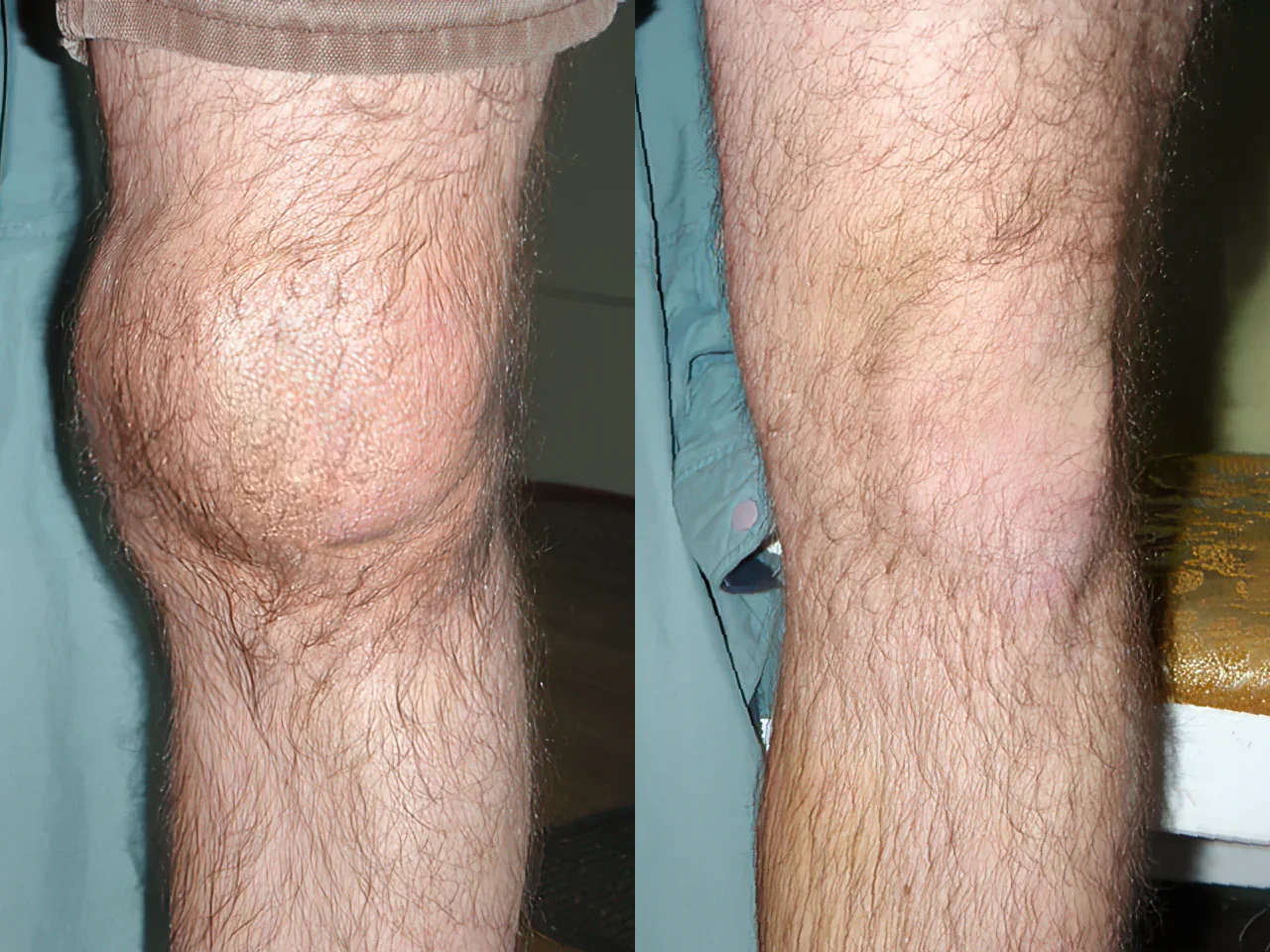
Der Gedanke kam immer wieder zurück, mitten am Tag, mitten in der Nacht: Werde ich am Ende operiert werden müssen?
Ich hatte mit 59 fest damit gerechnet, noch Jahre vor mir zu haben, bevor so ein Gespräch mit einem Chirurgen überhaupt zur Debatte steht. Stattdessen saß ich da, mit steifen, schmerzenden Knien, und hatte auf einmal Angst vor etwas, das ich mir nie hätte vorstellen können.
Falls Sie diesen Gedanken auch kennen — das hier ist keine Werbung für ein Wundermittel und kein Versprechen, dass eine Operation für Sie niemals infrage kommt. Aber es ist der Grund, warum ich zuerst einen anderen Weg versucht habe, bevor ich mich auf eine Warteliste setzen ließ.
Erkennen Sie sich wieder?
- Steifheit in den ersten Minuten nach dem Aufstehen
- Schmerzen beim Treppensteigen oder Aufstehen aus dem Sitzen
- Schwellungen nach längerer Belastung
- Sie vermeiden bestimmte Bewegungen aus Angst vor Schmerzen
- Der Gedanke an eine Operation ist inzwischen öfter da, als Ihnen lieb ist
Wenn Sie zwei oder mehr davon erkennen, sind Sie nicht allein — und es gibt einen Schritt, bevor invasivere Maßnahmen überhaupt zur Debatte stehen sollten.
Ich hatte längst alles Naheliegende versucht. Die Creme aus der Apotheke, die kurz kühlt und dann nichts mehr tut. Wärmepflaster. Kapseln mit Kurkuma und Magnesium, drei Monate lang, gewissenhaft genommen. Sogar eines dieser teuren Geräte aus dem Internet.
Nichts davon erreichte den tiefen, knirschenden Schmerz. Nur mein Portemonnaie wurde spürbar leichter.
„Das kommt eben vom Alter.“
Das war die häufigste Antwort, die ich bekommen habe — von Ärzten, von Freunden, von mir selbst. Und sie stimmt nur zum Teil. Ja, das Risiko steigt mit dem Alter. Aber die Vorstellung, dass man sich einfach damit abfinden muss, ist veraltet. Orthopädische Fachleute setzen zunehmend auf gezielte, örtliche Ansätze, bevor sie zu invasiveren Maßnahmen raten.
Was mir nie jemand erklärt hat
Was viele nicht wissen: Gelenkschmerzen entstehen nicht nur durch Abnutzung des Knorpels selbst, sondern durch eine Entzündung direkt im Gelenk. Diese Entzündung ist es, die Schwellung, Steifheit und den stechenden Schmerz beim Bewegen verursacht.
Und das hat mich wirklich überrascht: Es hat nicht nur mit dem Alter zu tun. Entzündung ist eigentlich das körpereigene Reparatursignal — sie soll kurz anspringen, die Stelle versorgen, und sich wieder abschalten. Stellen Sie sich das wie ein kontrolliertes Feuer in der Natur vor, das altes, beschädigtes Gestrüpp entfernt und Platz für neues Wachstum schafft.
Aber was passiert, wenn dieses Feuer nie erlischt? Es wird zu einem Flächenbrand. Die dauerhafte Entzündung zehrt am Knorpel selbst — und je dünner die Knorpelschicht wird, desto mehr Reizung, desto mehr Entzündung, desto weiter geht der Abbau. Ein Kreislauf, der sich von allein nicht stoppt.

Wenn der Schaden im Gelenk entsteht, muss die Lösung auch dort ankommen. Tabletten verlieren im Magen einen Großteil ihrer Wirkung. Cremes aus der Drogerie bleiben meist an der Hautoberfläche hängen. Keines von beidem durchbricht diesen Kreislauf.
Der gezielte Entzündungs-Ansatz
So habe ich angefangen, das Problem selbst zu nennen — nicht „noch eine Gelenkcreme“, sondern ein Ansatz, der genau an dieser Entzündung ansetzt, statt nur die Oberfläche zu kühlen.
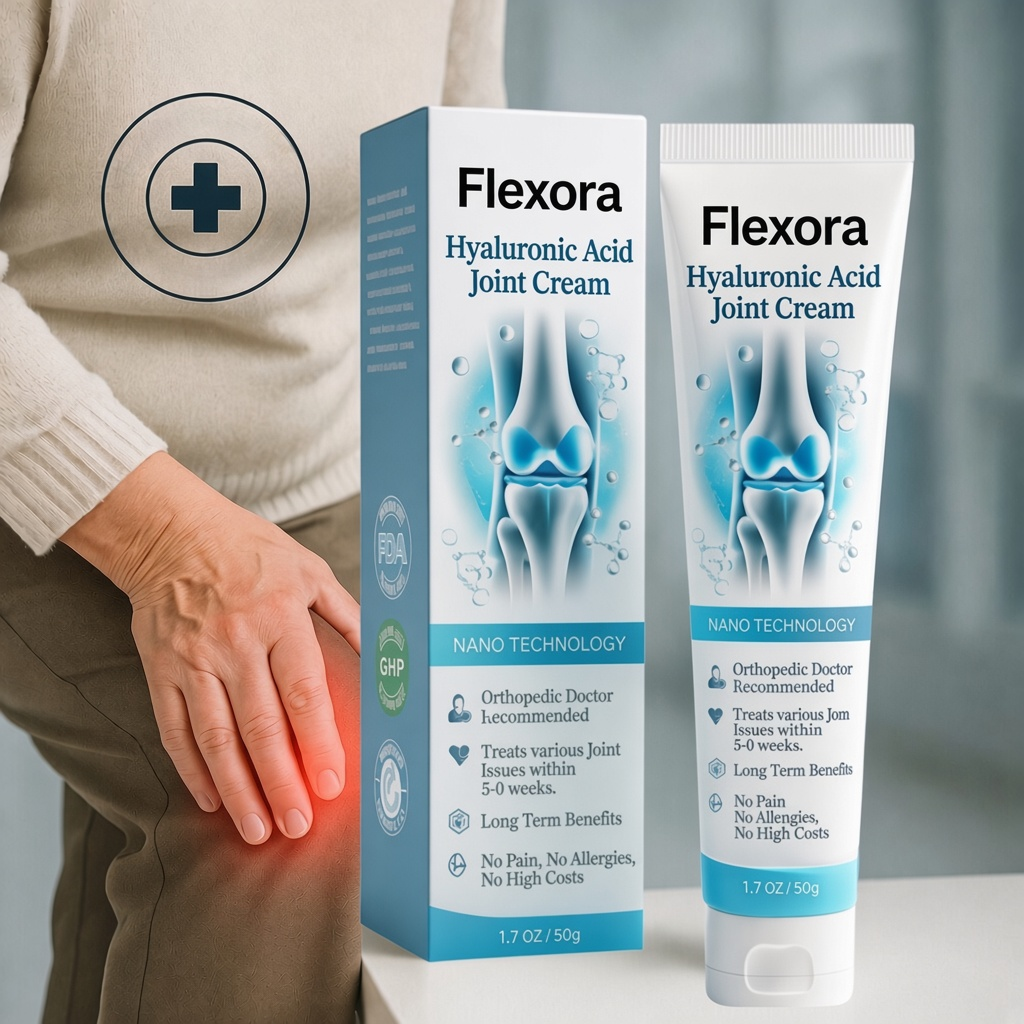
Flexora™ Gelenkcreme
Die meisten Cremes setzen auf günstiges Menthol, das nie wirklich in die Tiefe kommt. Flexora™ ist genau um den gezielten Entzündungs-Ansatz herum aufgebaut:
Boswellia-Extrakt — wirkt nachweislich gezielt gegen die Entzündung im Gelenk.
Ingwerextrakt — unterstützt diese entzündungshemmende Wirkung zusätzlich.
Hyaluronsäure — sorgt für die natürliche Schmierung des Gelenks.
Weidenrindenextrakt — ergänzt die Formel und unterstützt zusätzlich bei Beschwerden.
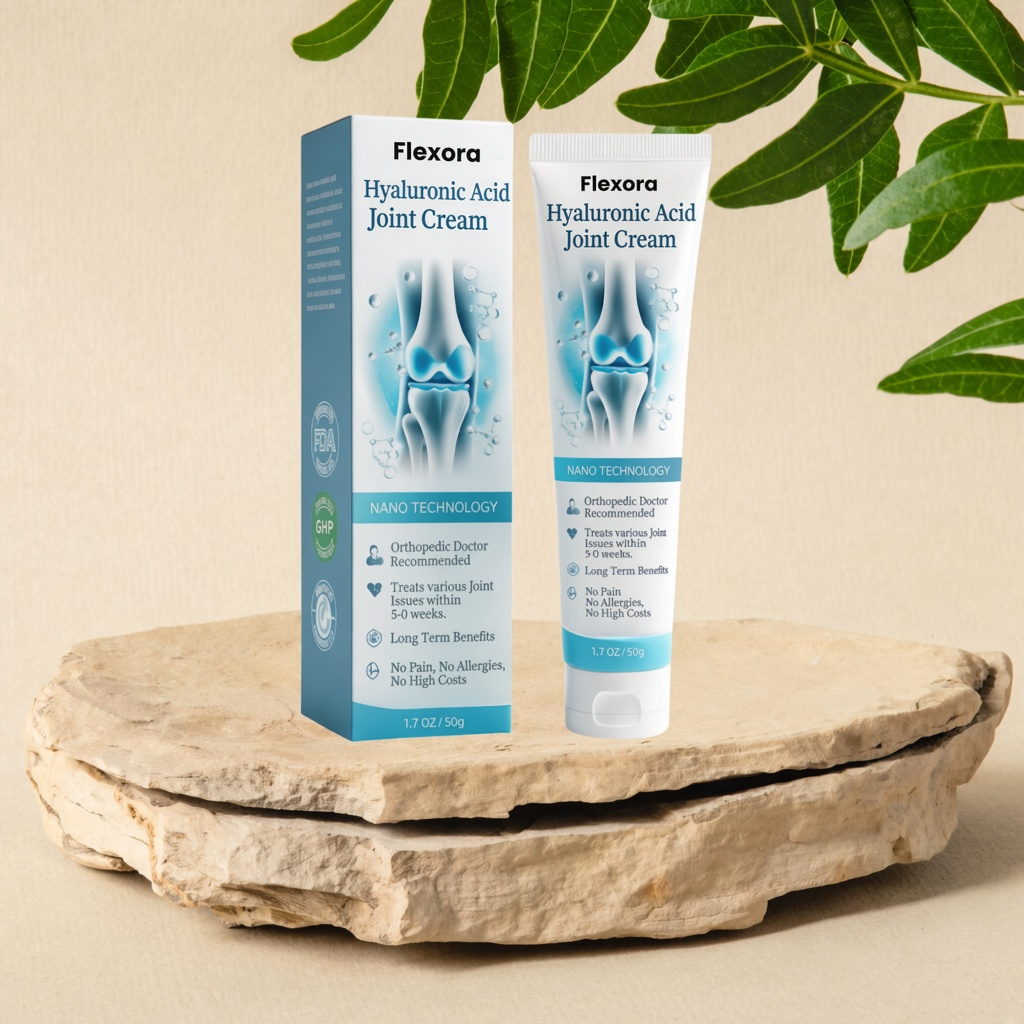
Schon in der ersten Woche spürte ich einen Unterschied — das knirschende Ziehen im Knie ließ langsam nach. Zum ersten Mal seit Monaten fühlten sich meine Gelenke an, als würden sie mit mir arbeiten, nicht gegen mich.

„Ich empfehle Flexora bei steifen, schmerzenden oder geschwollenen Gelenken. Es unterstützt die Beweglichkeit gezielt an der Entzündungsursache — ganz ohne Tabletten oder Spritzen.“
Dr. Markus Schneider, orthopädischer Gelenkspezialist
Echte Menschen, echte Erfahrungen


Über 60.000 Anwender haben mit Flexora™ ihre Arthroseschmerzen in nur 2 Minuten beseitigt und gehen jetzt wieder stark, schmerzfrei und ohne Einschränkungen!
9.148 positive Bewertungen
9.148 positieve recensies
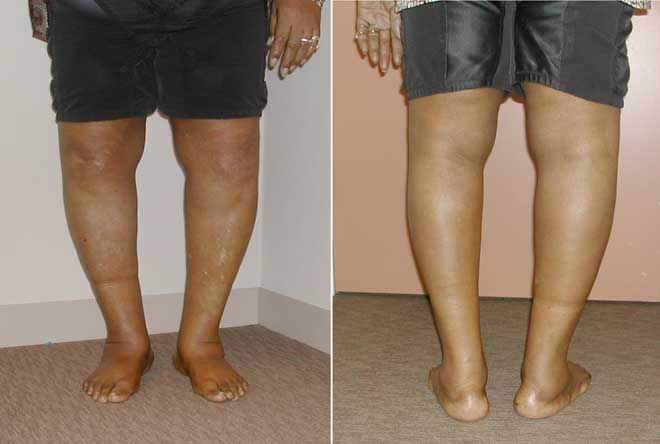
Anna S.

.webp)

Ich hätte nie gedacht, dass eine Creme wirklich hilft. Meine Gelenke schmerzten ständig. Doch schon nach wenigen Anwendungen fühlte es sich an, als hätte jemand die Zeit zurückgedreht. Der Schmerz war weg ich konnte mich wieder frei bewegen.
Lukas B.
Meine Schultern und Knie taten so weh, dass ich nicht mal mehr spazieren gehen konnte. Alles vorher war rausgeworfenes Geld. Aber das hier? Nach zwei Minuten merkte ich schon eine Besserung nach ein paar Tagen war ich wieder auf den Beinen.
.jpg)
Lea M.
Jeden Morgen war ich steif und unbeweglich. Es dauerte ewig, bis ich in Gang kam. Dann habe ich die Creme ausprobiert schon nach dem ersten Mal wurde es leichter. Am dritten Tag konnte ich wieder ohne Angst rausgehen.
Im Vergleich
| Flexora™ | Cremes aus der Drogerie | Tabletten | |
|---|---|---|---|
| Wirkt an der Entzündungsursache | ✔ | Oberflächlich | ✔ |
| Ohne Magenbelastung | ✔ | ✔ | ✘ |
| Ohne Tabletteneinnahme | ✔ | ✔ | ✘ |
| Klinisch untersuchte Wirkstoffe | ✔ | Selten | ✔ |
Was Sie realistisch erwarten können
Woche 1: die Reizung lässt spürbar schneller nach, Nächte fühlen sich ruhiger an, der Morgen trifft Sie nicht mehr so hart.
Woche 3: weniger plötzliche Schübe, Aufstehen fühlt sich nicht mehr wie eine Bergtour an.
Ab Woche 6: die Steifheit nimmt weiter ab, statt schlimmer zu werden — Sie planen Ihren Tag nicht mehr um das, was Ihre Gelenke nicht mehr schaffen.
Individuelle Ergebnisse können variieren.

Ihr Flexora™ Angebot
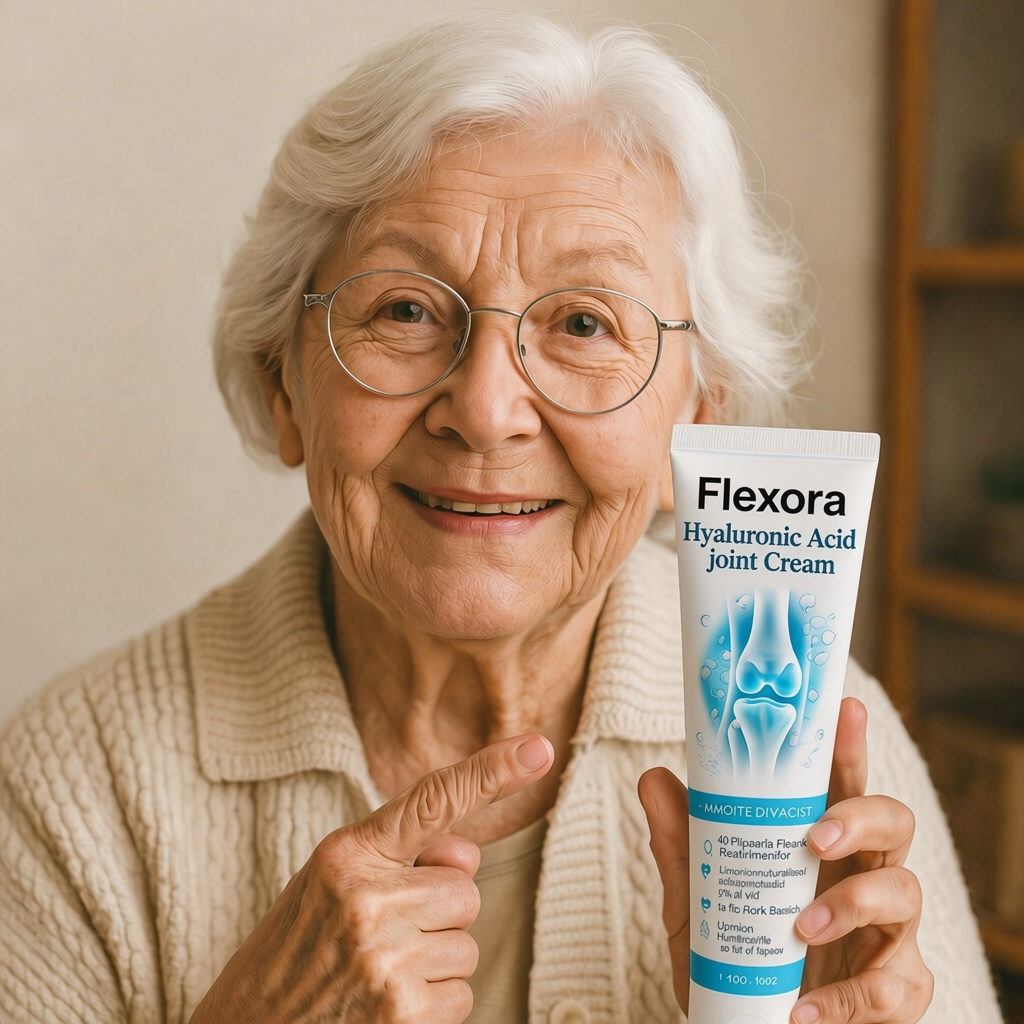
60-Tage-Garantie
Testen Sie Flexora™ 60 Tage lang. Wenn Sie keine Erleichterung spüren, bekommen Sie Ihr Geld vollständig zurück. Ohne Wenn und Aber.

Kurz & knapp
Wie lange dauert es, bis ich eine Wirkung spüre?
Bei regelmäßiger, zweimal täglicher Anwendung berichten viele Anwender bereits in der ersten Woche von einer spürbaren Veränderung.
Was ist enthalten?
Hyaluronsäure, Ingwerextrakt, Boswellia-Extrakt und Weidenrindenextrakt.
Wie lange reicht eine Tube?
Bei regelmäßiger Anwendung reicht eine Tube etwa 3–4 Wochen.
Ist das wirklich risikofrei?
Ja — mit einer vollständigen 60-Tage-Geld-zurück-Garantie, ohne Bedingungen.
Bevor Sie diese Seite verlassen
Der aktuelle Rabatt von 50 % ist zeitlich begrenzt. Aufgrund hoher Nachfrage kann es außerdem zu Lieferverzögerungen kommen — sichern Sie sich Ihren Vorrat, solange er verfügbar ist.